
B2B Guide | Quality Control & Application
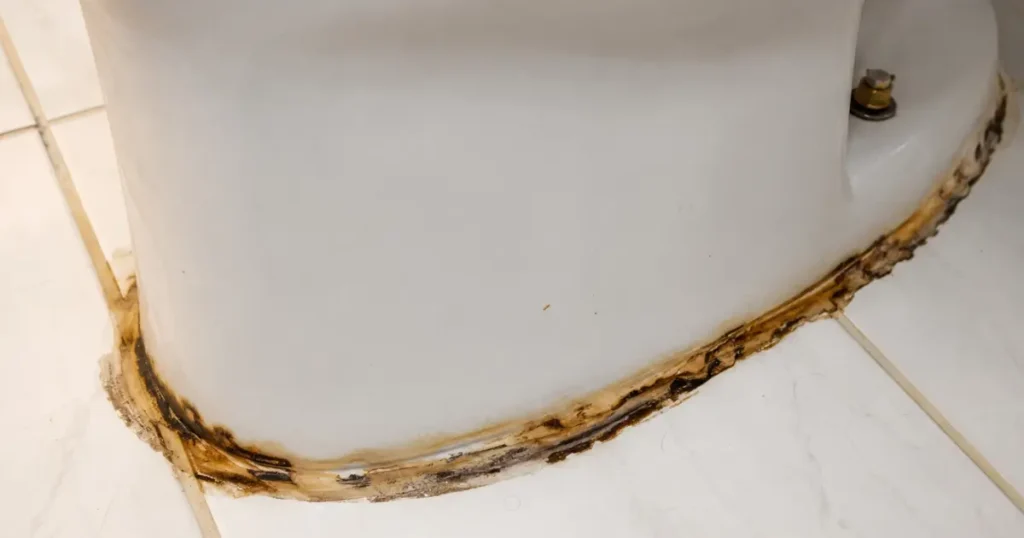
In engineering practice, discoloration is a common issue when using building adhesives. If you are wondering why does silicone sealant turn yellow shortly after application, you are not alone. It ruins the appearance of doors, windows, and curtain walls, often leading to quality disputes. Drawing on years of engineering experience, WEIDU analyzes the causes of sealant discoloration from the perspectives of product characteristics and environmental factors, and proposes effective improvement methods.
Table of Contents
Toggle1. Main Reasons: Why Does Silicone Sealant Turn Yellow?
1.1 Material Incompatibility
When silicone sealant surfaces occasionally turn yellow during use, it is usually caused by an incompatibility issue. Compatibility refers to the ability of a sealant to come into contact with neighboring materials without causing adverse physical or chemical reactions. During actual application, sealants may come into contact with sealing strips, rubber gaskets, decorative strips, and waterproofing materials. If these materials are incompatible with the silicone, surface discoloration can occur.
The most common incompatible materials include EPDM (ethylene propylene diene monomer) gaskets and strips. Therefore, compatibility tests must be conducted before pairing a sealant with other materials. Fortunately, special EPDM materials compatible with silicone are now available on the market, and silicone based gaskets or strips can also be used as a safe alternative.
1.2 Silicone Sealant Quality Defect
Certain additives in the sealant formulation (such as amino coupling agents and double bond containing silanes) or inferior raw materials can discolor when exposed to oxygen. Furthermore, using low durability pigments can lead to fading under sunlight. Sealants with these quality flaws will inevitably discolor on site. This type of discoloration is characterized by even, uniform color change across the entire bead, and the issue can be reproduced during testing.
1.3 Environmental Factors
This type of discoloration occurs most frequently in neutral oxime cure silicone sealants. The primary trigger is exposure to acidic substances present in the atmosphere. These acidic sources vary widely, including curing acidic silicone sealants, acrylic paints during construction, sulfur dioxide in the air (especially high in northern winters), nearby burning plastic waste, or burning asphalt.
Because environmental conditions fluctuate constantly, discoloration caused by environmental factors is difficult to reproduce, making root cause analysis challenging and frequently giving rise to quality disputes.
1.4 Excessive Stretching of the Sealant
When a sealant is over stretched, it turns white, a phenomenon often mistaken for the loss of color pigments. There are three common scenarios that cause this:
1.4.1 Exceeding joint movement capability: The joint movement is too large for the sealant rating, causing it to be over stretched.
1.4.2 Insufficient local thickness: The sealant is applied too thinly in certain areas, concentrating all joint movement on those weak spots.
1.4.3 Use of inferior sealants: Low grade sealants (such as those heavily filled with white mineral oil) experience significant shrinkage as the oil evaporates. This type of discoloration is frequently accompanied by partial joint cracking.
2. Tips for Identifying High Quality Silicone Sealant
2.1 Check the Packaging: Legitimate products feature detailed labels outlining the manufacturing date, shelf life, chemical composition, and intended applications. Pay close attention to the shelf life, higher quality adhesives generally offer a longer storage life.
2.2 Inspect the Cartridge Bottom: Check for squeezed out sealant, a small amount of extrusion is normal. During the packaging process, air must be eliminated from inside the cartridge, meaning the piston will naturally push out a small quantity of sealant.
2.3 Check the Manufacturing Date: Always try to purchase freshly manufactured products rather than near expiry adhesives. Additionally, you can perform a tactile test: take a bit of the extruded sealant, pinch it, and stretch it to check its elastic recovery. If it feels hard or brittle, the quality is subpar and warrants reconsideration.
3. Prevention and Improvement Solutions
To prevent sealant discoloration, manufacturers and contractors should implement targeted measures during production and application:
3.1 For Manufacturers: Maintain strict quality control by using high grade raw materials. Optimize formulations and production processes, for instance, incorporating antioxidants and anti yellowing agents into neutral sealants to boost discoloration resistance. Select weathering resistant pigments for custom colored sealants.
3.2 For Material Selection: Neutral oxime cure sealants are more prone to discoloration than neutral alcohol cure or acid cure sealants. Therefore, avoid using neutral oxime cure sealants in environments where they might interface with acidic substances or be applied alongside alcohol cure sealants. For interior decoration, minimize or avoid neutral oxime cure sealants, opting for neutral alcohol cure or acid cure sealants instead.
3.3 For Contractors (Application Best Practices): Avoid direct contact between silicone sealants and rubber based materials during installation. Strictly adhere to design specifications regarding movement capabilities. For example, do not downgrade to a Class 20 sealant (or lower) when a project requires a Class 25 movement capability. Ensure adequate sealant thickness during installation, and avoid using uncertified, low cost sealants heavy on plasticizing oils.
3.4 Clear Usage Guidelines: Manufacturers should clearly state unsuitable application environments in their technical product data sheets, and contractors must strictly follow these instructions.
Important Note: Many people believe that spotted surface discoloration means the sealant has been corroded. In reality, while atmospheric acid and salt mists can impact exterior building facades, silicone is an exceptionally weather resistant polymer and remains structurally unaffected by these surface reactions.
Looking for a Reliable B2B Sealant Partner?
With a strong factory R&D background and comprehensive market solutions, we are ready to serve your wholesale needs.
Contact Person
Bella
Weidu Team Leader