
B2B Guide | Material Comparison
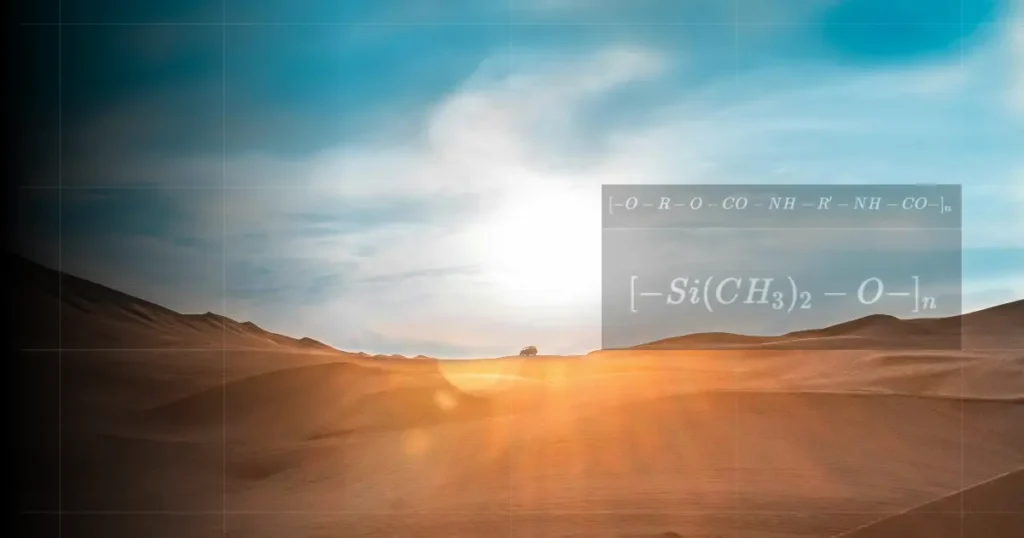
Choosing between polyurethane and silicone sealant determines whether your UAE project can withstand the test of strong UV rays. Before comparing brands and prices, let’s look at the chemical composition of the sealants. If the best polyurethane sealant is used in an environment exposed to direct outdoor sunlight, its lifespan will also be greatly reduced. Accurately distinguishing between these two sealants can prevent costly rework fees in the future.
Table of Contents
Toggle1. Differences Between Polyurethane and Silicone Sealant
Polyurethane and silicone are different chemical materials, and they have different performance expressions in the same scenarios. First, we need to understand the differences between them:
Polyurethane sealant is an organic material with relatively poor chemical resistance. Its advantage is strong wear resistance, and it can firmly bond to concrete, masonry, and wood. Compared to silicone, it has an important advantage: it is paintable.
Silicone sealant is an inorganic material with excellent chemical corrosion resistance. Its high weather resistance and temperature resistance enable it to maintain flexibility over a wide temperature range, resisting UV rays and rain erosion. Therefore, in the outdoor high temperature environment of the UAE in summer, silicone shows stronger performance and is not as prone to cracking or aging as organic sealants.
Polyurethane Sealant Pros and Cons
Pros: 1. Paintable. 2. High tensile and tear strength. 3. High durability and wear resistance.
Cons: 1. Weak resistance to extreme temperatures. 2. Narrow temperature tolerance range. 3. Weak UV resistance.
Silicone Sealant Pros and Cons
Pros: 1. Weather and temperature difference resistance. 2. Waterproof. 3. Anti-UV. 4. Strong movement capability.
Cons: 1. Wear resistance and tear strength are relatively lower than polyurethane. 2. Not paintable.
2. Polyurethane vs. Silicone: Which is Best for Expansion Joints?
After understanding the differences between these two sealants, the answer becomes interesting. Knowing that the wrong chemical composition will lead to premature failure of joint sealants regardless of how exquisite your construction technology is, we should prioritize what scenario the expansion joint is in rather than just looking at the brand or price.
Applications of Polyurethane Sealant
Polyurethane has strong wear resistance and is widely used in various industrial fields: pavement joints, parking lots, industrial floors, and commercial buildings.
1. Bonding with porous substrates: Concrete, masonry, etc.
2. Finishes where joints need to be painted after curing
3. High pedestrian traffic environments where joints frequently experience wear
Applications of Silicone Sealant
Silicone sealant has lower wear resistance than polyurethane and is not suitable for high traffic environments. However, silicone has strong flexibility and weather resistance, making it the preferred choice for large expansion joints and building exterior facade applications.
1. Long term exposure to direct sunlight: Skylights, doors, windows, curtain walls. Silicone can resist UV degradation. Especially in tropical desert climate regions like the UAE and Saudi Arabia with abundant year round sunshine, curtain wall glass needs UV and extreme weather resistant silicone sealants even more.
2. Curtain wall joints, exterior facades, and high movement concrete joints
3. Extreme temperature areas
4. Areas subjected to high movement expansion: Due to wind load and temperature changes, building movements cause joint expansion. Silicone’s high movement capability can prevent cohesive failure of the colloid.
5. Non-porous materials such as glass, aluminum, or outdoor tiles
3. Common Improper Construction Methods
1. Painting on silicone sealant
2. Using polyurethane sealant under long term UV exposure
3. Ignoring joint design before construction
4. Applying sealant directly to damp substrates without primer
5. Mixing different chemical materials in the same joint
4. Making the Choice for Your Middle East Project
Choosing between polyurethane or silicone sealant becomes straightforward after understanding their performance. For outdoor applications in the UAE, silicone sealant resists UV rays and extreme temperatures, making it very suitable for harsh climate conditions. But for certain industrial scenarios requiring paintability or high traffic, polyurethane sealant is usually the more suitable choice. Both materials exert their advantages in different fields. Using polyurethane in outdoor projects will inevitably lead to performance degradation.
You can contact WEIDU to get custom formulations. Our team understands UAE construction codes and can recommend the correct materials according to your needs. Choosing the right joint sealant is the only way to achieve a permanent solution.
Looking for a Reliable B2B Sealant Partner?
With a strong factory R&D background and comprehensive market solutions, we are ready to serve your wholesale needs.
Contact Person
Bella
Weidu Team Leader