
Looking for EVA films that don’t fail? At WD Sealant, we supply high-performance interlayer films built for durability. See why the pros trust us.
Table of Contents
ToggleLaminated Glass: Getting the EVA Film Choice Right
In this business, you learn pretty quick that the most expensive material you can buy is the one that fails on you. I’ve seen enough projects go south because someone tried to cut corners on the interlayer. When you’re dealing with architectural glass, you don’t have room for “good enough.” You need materials that perform every single time.
I’ve spent years in the lab and on-site, and I know that the difference between a glass panel that lasts twenty years and one that fails in two often comes down to the quality of the Ethylene Vinyl Acetate (EVA) film used. This isn’t just a plastic sheet; it’s the backbone of your assembly.
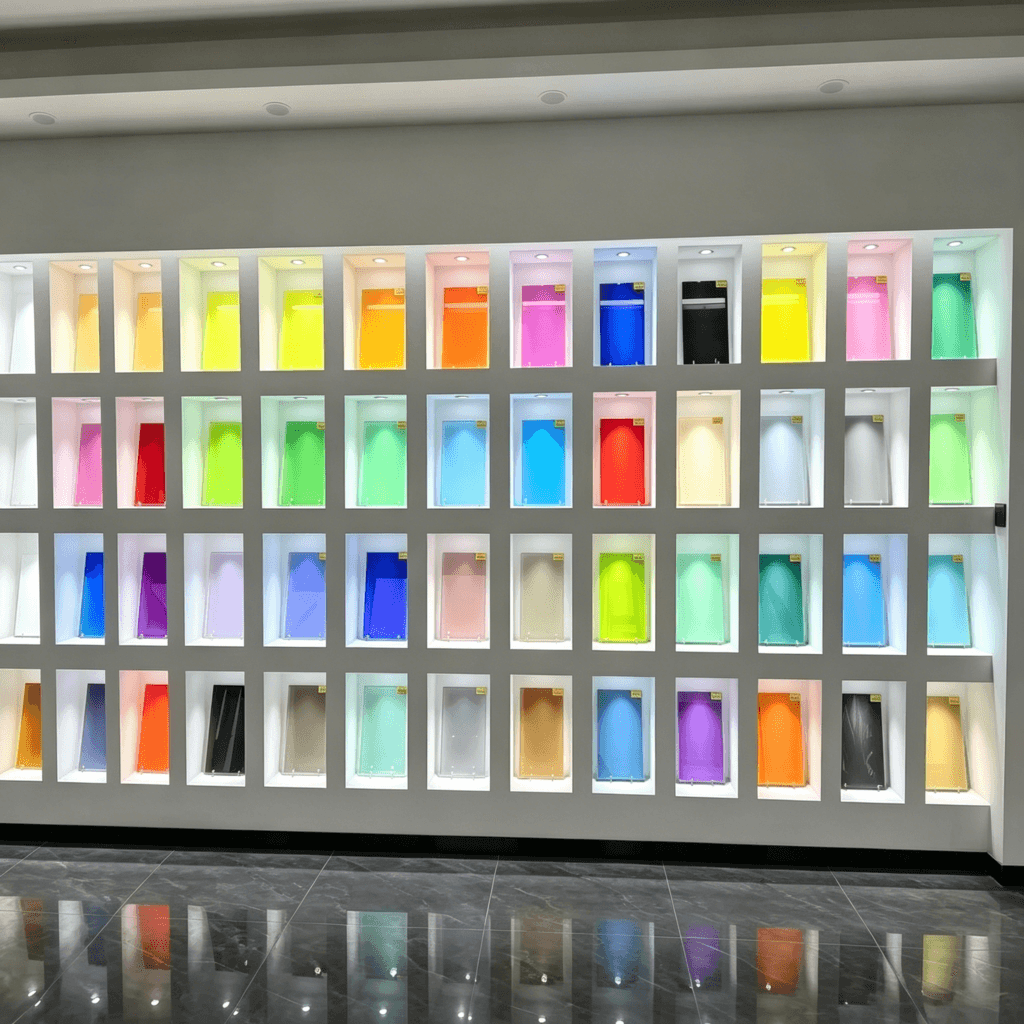
Why Colored EVA Films are Changing the Game
We see a lot of demand for clear interlayers, but the market is shifting toward colored EVA films. Designers want personality, and they want it without sacrificing structural integrity. Our colored series allows for vibrant, translucent aesthetics while retaining the high-performance bonding characteristics of standard EVA.
The beauty of colored EVA lies in its consistency. When you are laminating large glass facades, the last thing you want is color variation across panels. That’s why we prioritize uniformity in our resin formulations. It ensures that when the light hits the glass, the color is exactly what the architect intended, regardless of the panel size.
| Feature | Clear EVA | Colored EVA Film |
|---|---|---|
| Primary Use | Standard safety glazing | Decorative architecture & Design |
| Aesthetics | High transparency | Uniform, vibrant translucent tones |
| Performance | High adhesion | Consistent bonding + Visual appeal |
| UV Resistance | Excellent | Excellent (Color stable) |
The Reality of Lamination: No Shortcuts
I hear people asking all the time: “Can I use any heating cycle?” The answer is no. If your material is high-quality, like ours, it’s designed to handle specific thermal profiles. If you rush the cycle or cut the vacuum time to save money, you’re just inviting delamination or air bubbles later on. It’s a waste of glass and a waste of film.
Whether you are working with our Colored EVA Films or our standard clear versions, always ensure your glass edges are clean and your lamination room is controlled. If the material is perfect but the environment is dusty, you’ve already lost the battle. We take the time to pack our rolls properly so they arrive in perfect condition—you need to do your part on the fabrication floor.
Best Practices for Success
- Storage: Keep it cool, dry, and away from direct sunlight. Treat it like a precision component, not just storage inventory.
- The Ratio: Ensure your vacuum cycles are fully established before heating. Trapped air is the enemy of a long-lasting bond.
- Testing: Don’t guess. If you’re running a new color or a new thickness, run a test panel first. It’s the only way to be 100% sure before committing to a massive installation.
Veteran Advice: Approaching lamination with a “hope for the best” attitude is the fastest way to get a callback on a job. Select a reliable supplier, respect the technical processing guidelines, and don’t compromise on your interlayer quality. The money you save on a cheap film today will be spent tenfold on removing and replacing failed glass tomorrow.