
B2B Guide | Supply Chain & Logistics
After my friend Hassan finally signed a procurement contract with a supplier, he found the subsequent shipping and customs processes incredibly frustrating. Delivery was delayed by 20 days, and unexpected extra fees popped up. When amortized, these hidden costs quietly inflated his overall unit purchasing price. I told him that the logistics process isn’t just a simple transaction. Until the goods safely arrive at your warehouse, a misstep at any stage can incur extra costs or delay your delivery time. In this guide, we will break down the step-by-step process to import silicone sealant from china to the Middle East, empowering you to navigate the procurement process with confidence.
Table of Contents
ToggleFinding the Right Supplier
Novice buyers often make the mistake of hunting solely for the lowest price, which easily leads to a deadlock in price negotiations. They fail to realize that a company’s production capabilities and export qualifications are equally important. Requesting documents such as business licenses, production capacity profiles, export experience records, and product test reports helps you accurately compare the true strength of different suppliers.
Experienced exporters hold complete export credentials. They are highly familiar with Middle Eastern regulatory standards, sea freight restrictions for chemical products, and the destination country’s customs clearance processes. During the import process, they can quickly clear hurdles, keeping logistics costs under control while ensuring the smooth delivery of goods to your warehouse.
Manufacturers with robust production systems conduct strict raw material inspections, quality control, batch management, and finished product testing, ensuring complete product traceability while operating under ISO management system certifications. When professional manufacturers enter the Middle Eastern market, they proactively apply for regional sealant certifications, such as Guardian Glass, DCLD, and IGCC. These international certifications serve as strong proof of their professional production and management standards.
Securing the Optimal Price
The Middle East features a typical tropical desert climate, imposing stricter requirements on sealants regarding temperature resistance, UV resistance, and long-term weatherability. The true price differences in sealants are hidden in their chemical formulations. While a TDS (Technical Data Sheet) provides manufacturer-tested data, I believe obtaining samples for independent testing is the most direct way to verify the formulation and actual performance. This helps you quickly pinpoint exactly what you are paying for.
Another major factor influencing price disparities is the Incoterm (trade term) used in the quotation. When you receive a quote, carefully check whether it is FOB, CIF, or another term, as this creates significant price variations. Here are the four most common trade terms used by Middle Eastern buyers:
- EXW (Ex Works): This is the raw factory price. The buyer picks up the goods at the factory, meaning they are fully responsible for loading, inland transportation, export procedures, and bearing all risks once the goods are collected. I do not recommend this for novice buyers.
- FOB (Free On Board): This price includes inland transportation, export customs clearance, port charges, and loading fees. The seller is responsible for delivering the goods to the designated departure port and loading them onto the vessel.
- CIF (Cost, Insurance, and Freight): This is a highly preferred quoting method for Middle Eastern clients. The seller transports the goods to the port, loads them, and covers both the marine insurance and the ocean freight. The buyer simply arranges container pickup and customs clearance when the ship arrives at the destination port.
- DDP (Delivered Duty Paid): The seller is responsible for delivering the goods to the buyer’s specified location, handling import customs clearance, and paying all import duties.
How to import silicone sealant from china: Shipping to the Middle East
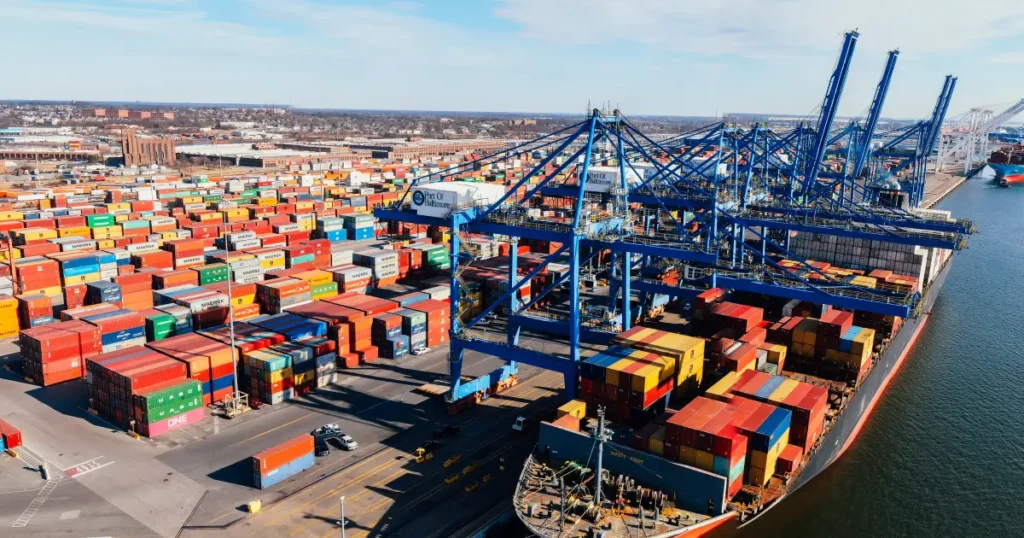
When you plan to import silicone sealant from china, logistical planning is crucial. Otherwise, inflated freight costs will directly increase the unit price of your goods. Shipping to the Middle East typically involves two methods: sea freight and air freight. Since this is a bulk commodity and classified as a chemical product, I highly recommend sea freight.
If your order volume is large enough, opt for FCL (Full Container Load). The advantage of FCL is that you can efficiently utilize the entire container space. It also offers faster port handling, and your goods remain fully sealed throughout the journey. If your volume isn’t enough for a full container, you can choose LCL (Less than Container Load). The freight forwarder consolidates your goods with others in one container. Whether you choose FCL or LCL, the costs are significantly lower than air freight, with transit times averaging around 15 to 30 days.
Many novice buyers overlook peak season factors when choosing sea freight. For example, around major holidays like Eid al-Adha, ports in the UAE and Saudi Arabia become heavily congested, leading to transit delays and freight price hikes. Experienced exporters will plan orders in advance to avoid peak periods and accurately calculate container loading plans.
Preparing Customs Declaration Documents
Before the vessel departs, the exporter must provide customs declaration documents to their customs broker. These typically include the commercial invoice, packing list, bill of lading (B/L), certificate of origin (COO), export declaration form, and any special transport compliance documents required by the destination country.
Critical Tip: A key piece of information within these documents is the HS Code. If an incorrect HS code is used, it will disrupt customs clearance and may even result in the cargo being detained. The Harmonized System (HS) Code is a numerical classification system used by global customs authorities. The HS code for silicone sealant in China is 3506100090. If you are unsure, be sure to confirm it with your exporter.
Customs Clearance Procedures in the Middle East
Once export customs are smoothly cleared, the next step is waiting for the vessel to arrive at the destination port. Prior to arrival, the importer must submit clearance documents to their local customs broker. Import procedures vary across Middle Eastern countries. Regardless of the country, strict customs scrutiny is inevitable. If documents are incomplete, the goods will be detained at the port until the paperwork is finalized. Exceeding the port’s free demurrage period will incur expensive demurrage and detention fees.
| Country | Electronic System | Clearance Process | Core Documents |
|---|---|---|---|
| Saudi Arabia | Fasah & ZATCA | Submit declaration through Fasah, Inspection, Pay taxes, Cargo release | Invoice, B/L, COO, Packing List, Import Permit |
| UAE | Dubai Customs | Submit customs, Inspection, Pay taxes, Cargo release | Invoice, Packing List, COO, B/L, Import Permit |
| Qatar | Al-Nadeeb | Submit customs, Inspection, Pay taxes, Exit Order | Original Invoice, COO, B/L, Delivery Order |
| Oman | Bayan | Submit customs, Pay taxes, Cargo release | Commercial Invoice, COO, Import Permit |
For contractors looking to safely import silicone sealant from china, the cheapest listed price isn’t always the most cost-effective deal. The real challenge lies in coordinating shipping, customs clearance, and delivery logistics—where there is zero margin for error. Understanding the entire import lifecycle allows you to accurately forecast your total landed cost, ultimately saving your business both time and money.
Looking for a Reliable B2B Sealant Partner?
With a strong factory R&D background and comprehensive market solutions, we are ready to serve your wholesale needs.
Contact Person
Bella
Weidu Team Leader