Causes of Insulating Glass Seal Failure
Expert Solutions from Weidu: We don’t just provide high-quality sealants; we provide professional technical support to ensure your glass units last a lifetime.
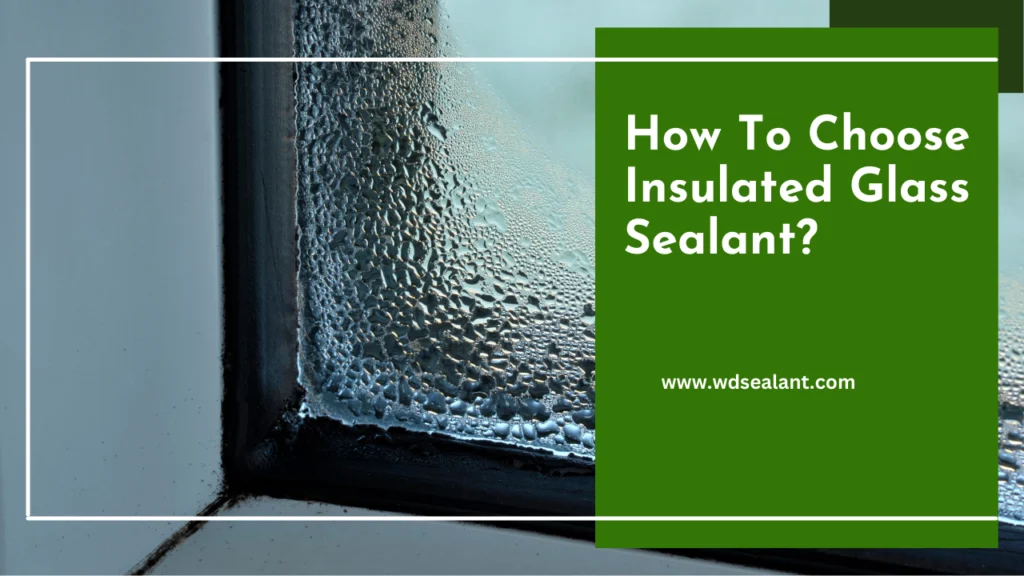
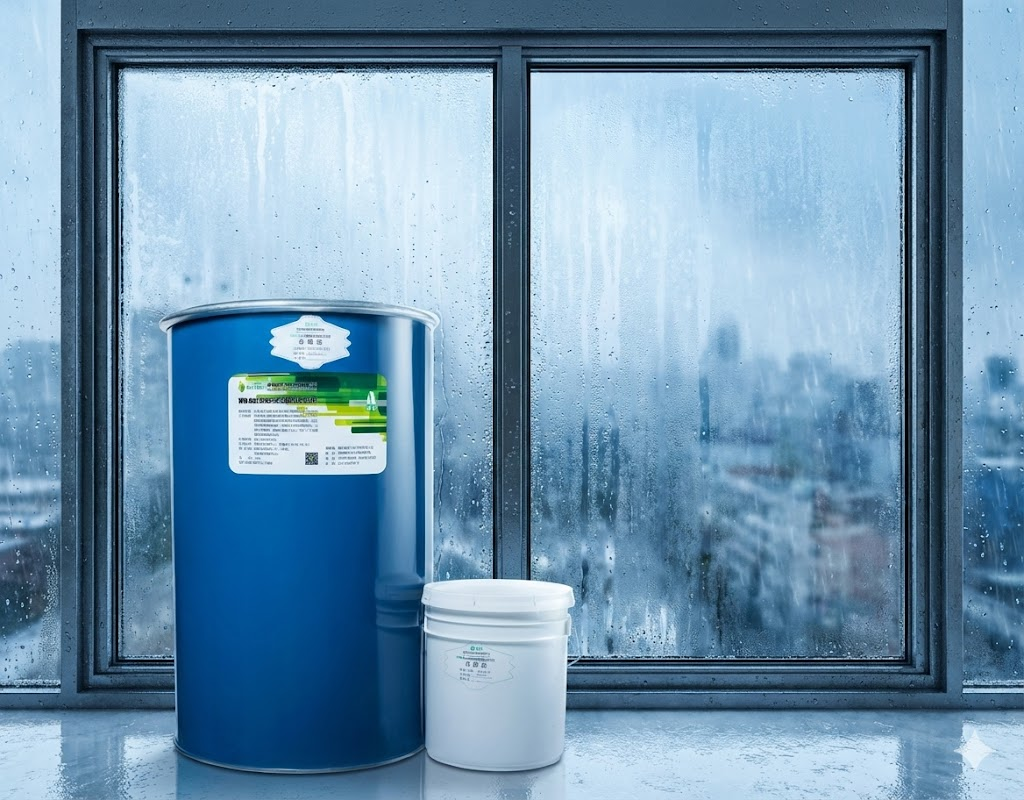
When you find your insulating glass fogged up or covered in water droplets that can’t be wiped clean, it’s likely a failure in the sealing layer. This allow moisture to enter, reducing thermal insulation and risking corrosion or mold. In frameless curtain wall systems, seal failure also implies a decline in structural performance and stability.
Structure of Insulating Glass Units (IGU)
An IGU consists of multiple glass panes separated by spacers. The integrity of the unit depends on two critical sealing layers:
- First Seal: Hot-melt butyl rubber. Provides primary water resistance and prevents moisture penetration.
- Second Seal: Usually silicone sealant. Offers strong adhesion, structural integrity, and resistance to UV and temperature extremes.
Comparison: Silicone vs. Alternative Second Sealants
| Performance Metric | Silicone Sealant | Polyurethane / MS Sealant |
|---|---|---|
| Water Resistance | ||
| UV & Aging Resistance | ||
| Long-term Stability | High (Cross-linked network) | Low (Susceptible to swelling) |
6 Common Reasons for Seal Failure
- Inappropriate Material Choice: Polyurethane and MS sealants contain polyether, which is hydrophilic. Prolonged water contact causes these colloids to swell and fail.
- Poor Raw Material Quality: Excessive or non-activated calcium carbonate in the sealant increases water absorption, causing the first and second seals to separate from the glass.
- High VOC Content: Volatile Organic Compounds evaporate over time, creating internal pores that act as channels for water vapor.
- Alkane Plasticizers (White Oil): These can migrate and dissolve the hot-melt butyl rubber or PP edge strips, destroying the primary seal.
- Processing Errors: Residual moisture during production can exceed the molecular sieve’s capacity. Always perform a dew point test before delivery.
- Rainbow Film Effects: Caused by uneven tempering, condensation, or low-quality plasticizers (DBP) breaking down the sealant chain under UV radiation.
Why we chose Silicone over MS Sealants
At Weidu, we focused our R&D on high-performance silicone sealants after national lab tests showed that other alternatives couldn’t meet long-term weather standards. We ensure the highest durability for every project.
See Our Manufacturing Excellence
Watch how we control quality from raw materials to final product in our R&D laboratory.
Contact Weidu for a Professional Quote
Weidu for me, Weidu for you! Let’s build something lasting together.