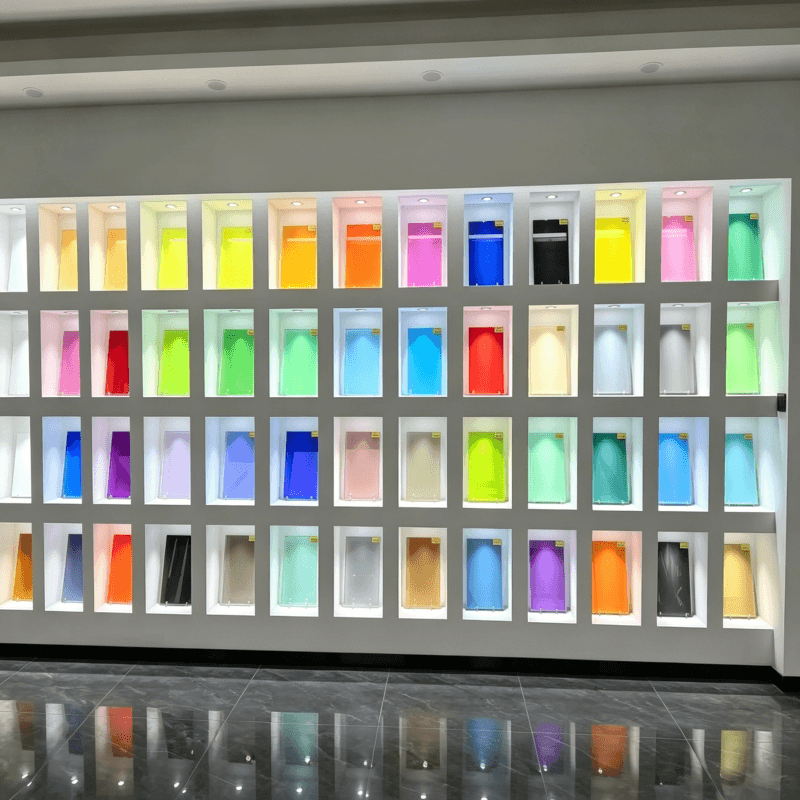
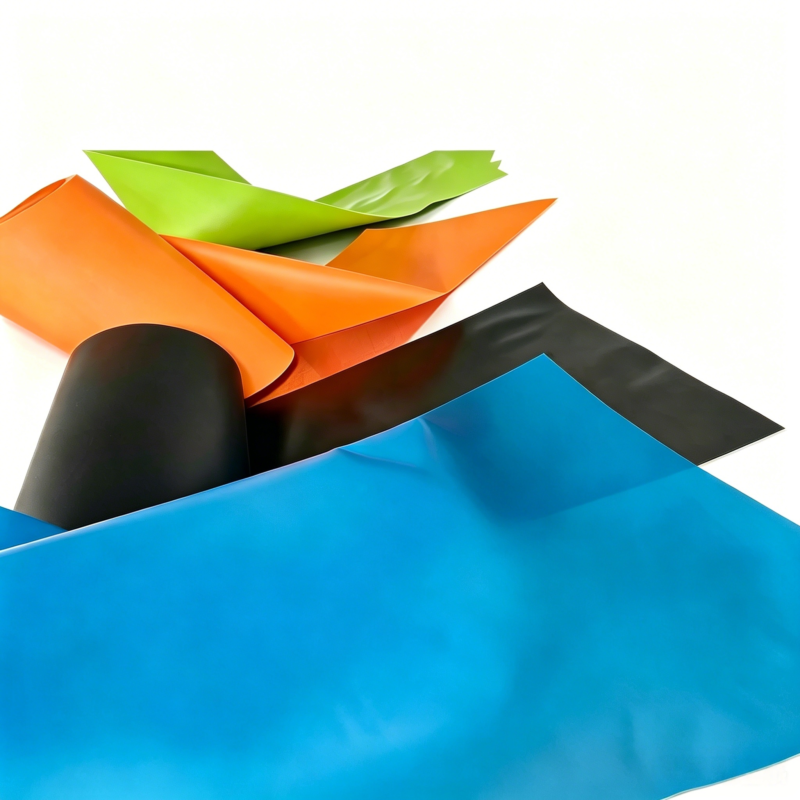
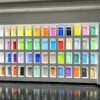
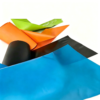



Assorted colors of EVA interlayer film sheets for decorative glass lamination.
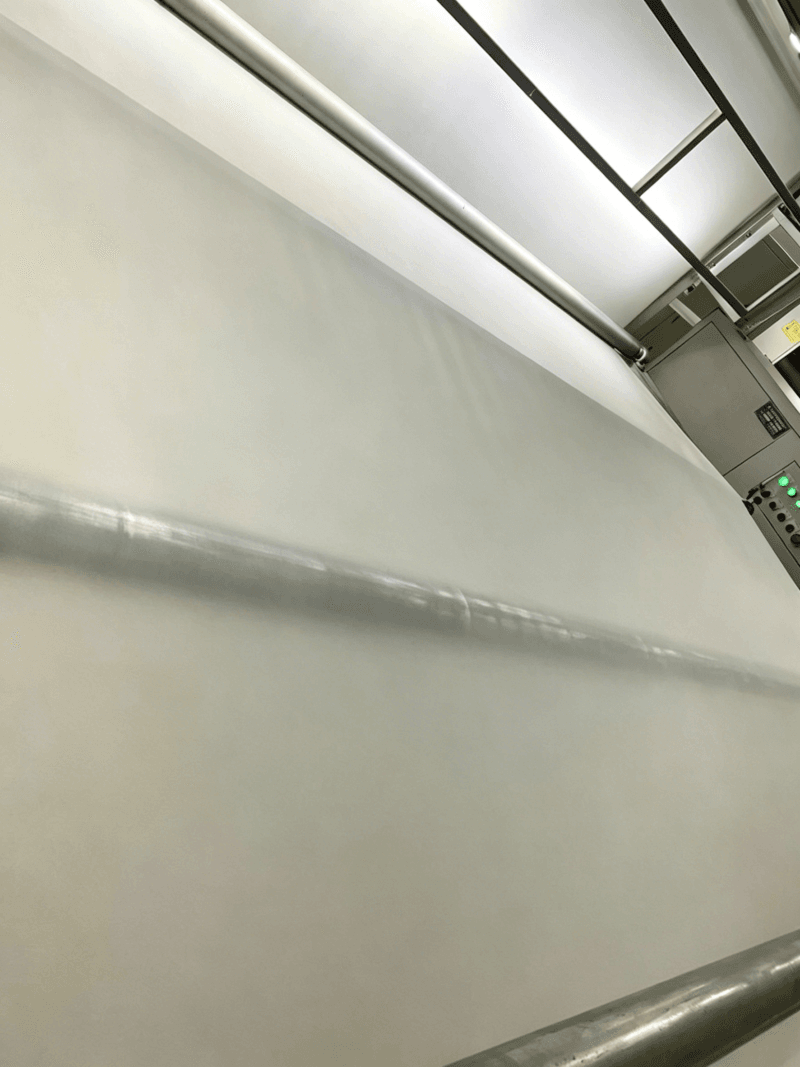
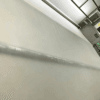
Industrial manufacturing line processing a large roll of white EVA interlayer film.
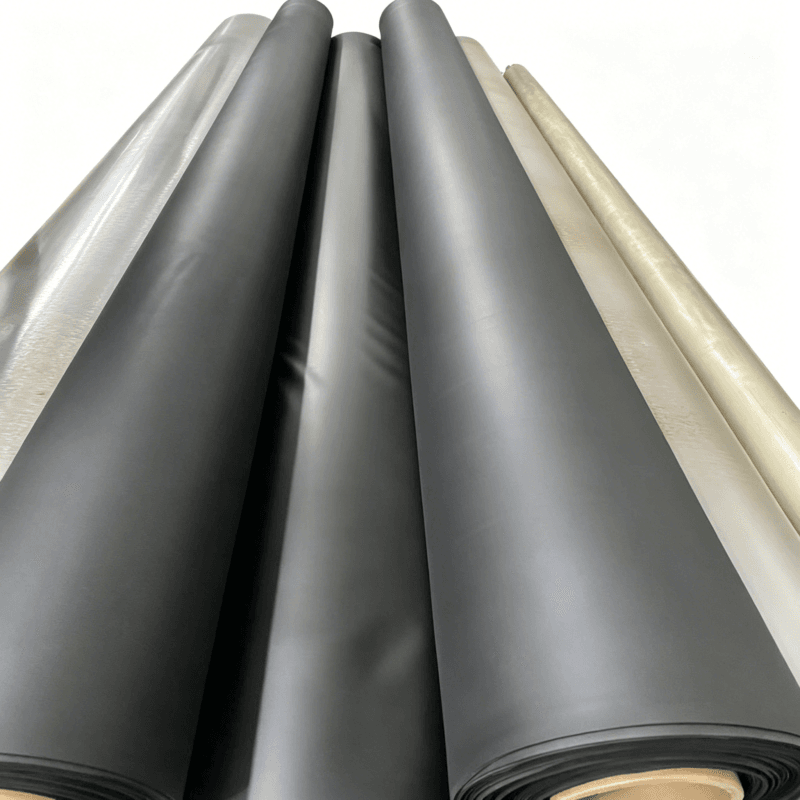
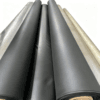
Multiple large rolls of black EVA interlayer film stored in an industrial facility.
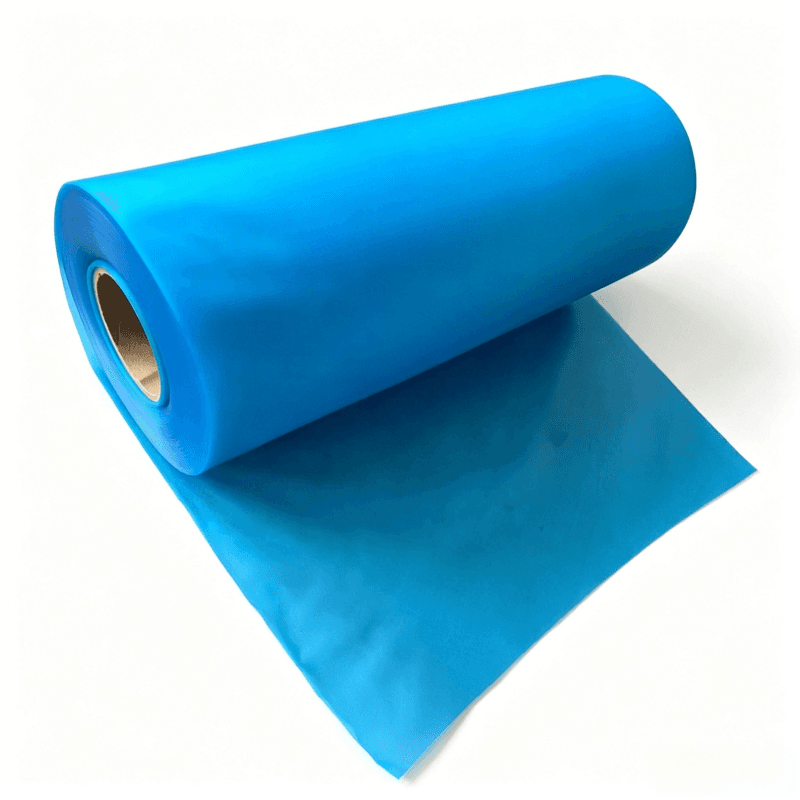
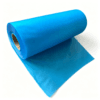
A single roll of blue-tinted EVA interlayer film for architectural glass.
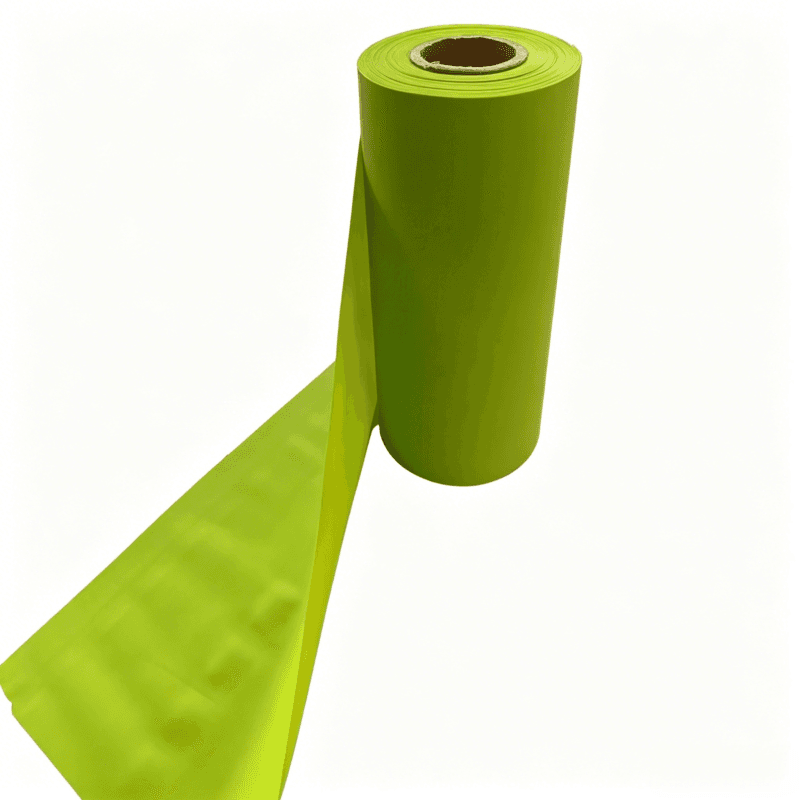
A single roll of lime green EVA interlayer film.
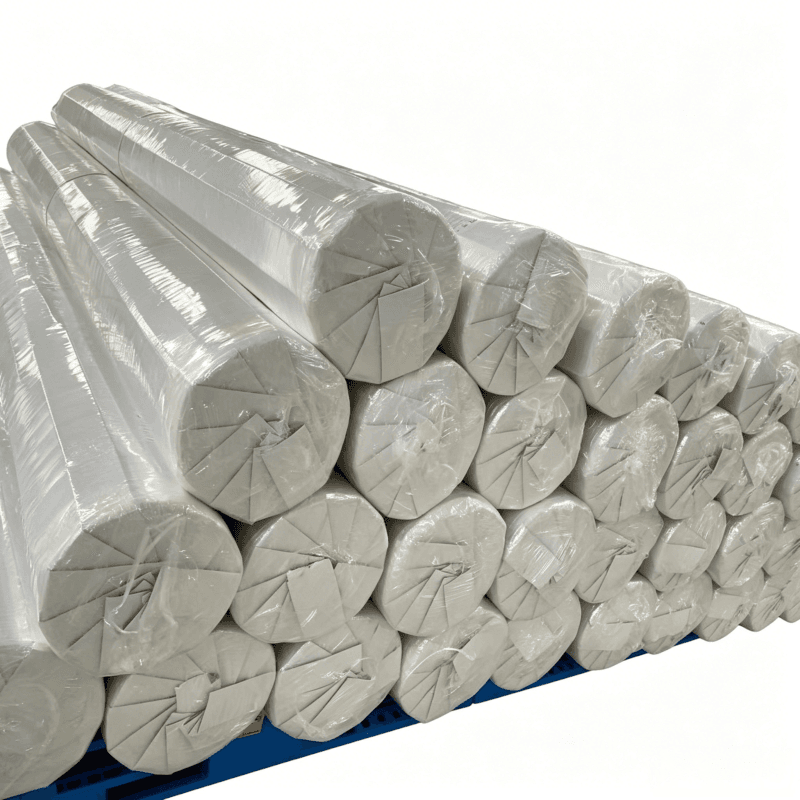
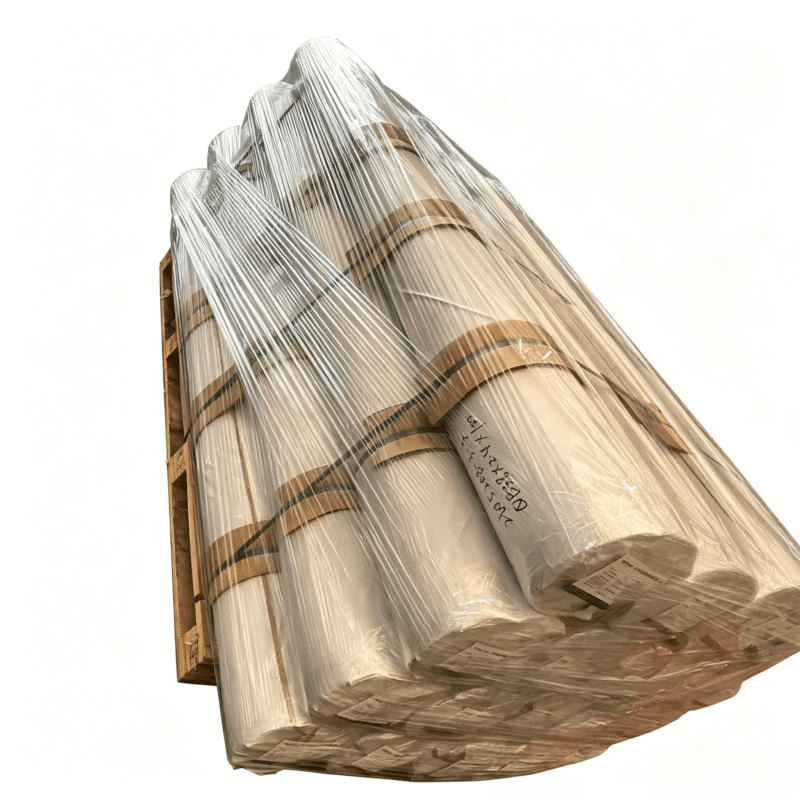
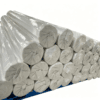
Pallet of white EVA interlayer film rolls shrink-wrapped for logistics and storage.
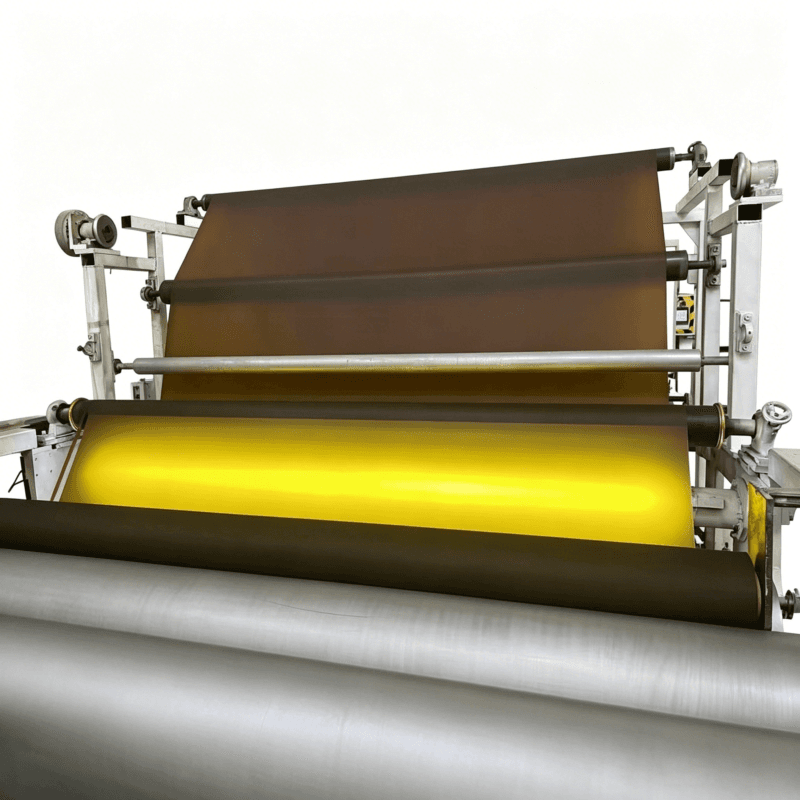
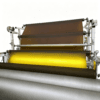
Industrial laminating machine processing a brown tinted EVA interlayer film.
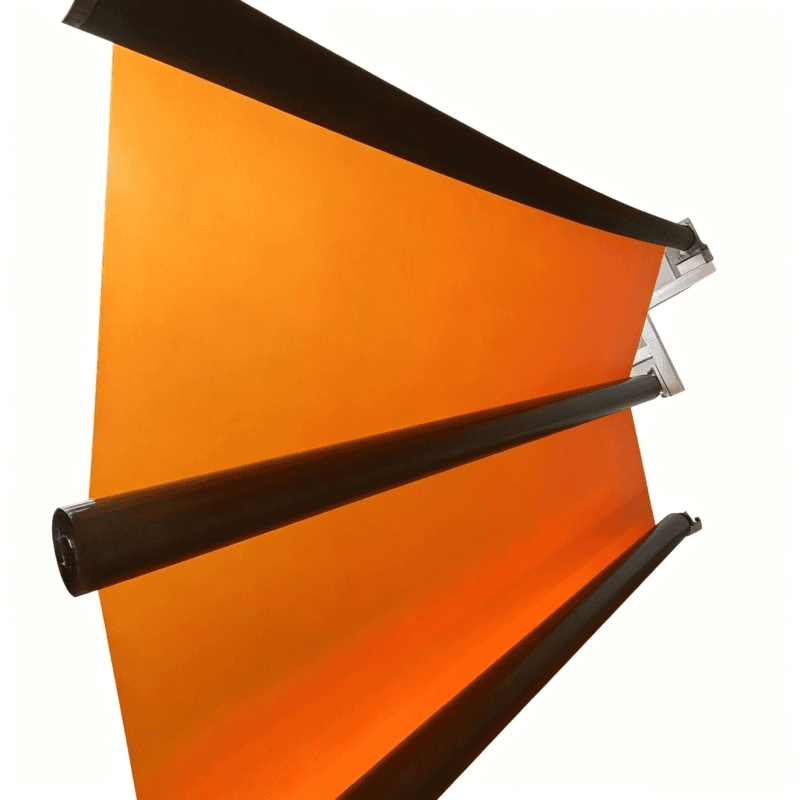
A large orange roll of EVA interlayer film being processed on a machine.
Stacked rolls of EVA interlayer film on a shipping pallet, wrapped in protective plastic.
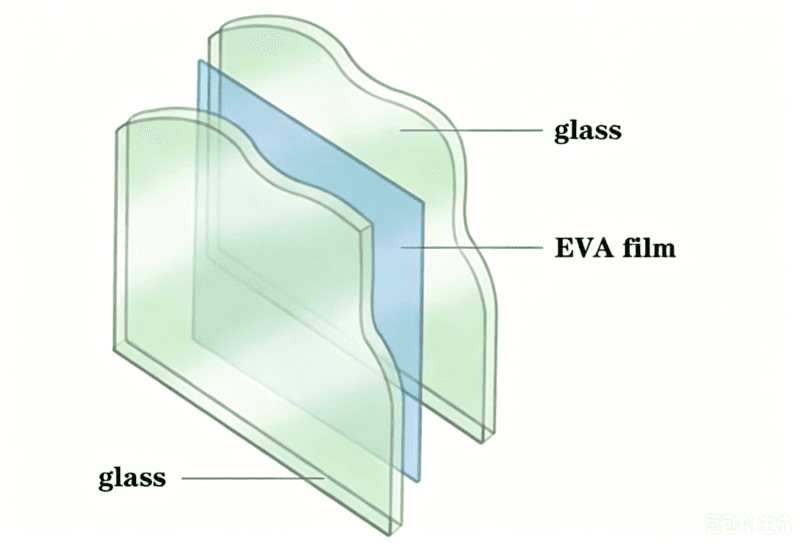
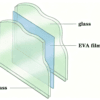
Diagram illustrating the laminated glass assembly process with two glass panels and an EVA film interlayer.

Colored EVA Films for Laminated Glass

EVA Film offers unlimited color options for laminated glass. Discover our high-quality interlayer films for vibrant architectural and decorative design projects.

Category:

Overview

EVA Interlayer Film is a specialized high-performance material engineered for premium architectural and safety glazing. Through vacuum and thermal lamination, it provides robust bonding performance, exceptional weather resistance, and over 80% UV light protection. This film ensures structural integrity, significantly enhancing impact resistance for safety and artistic glass applications.

  • Application: Creates durable laminated safety glass panels
  • Formula: Copolymer of ethylene and vinyl acetate
  • Category: Thermoplastic adhesive interlayer for glass lamination
  • Tensile Strength: 18.7–21.5 MPa
  • Available Thickness: 0.38mm, 0.76mm, 1.14mm, 1.52mm
  • Key Resistance: High temperature, high humidity, and >80% UV protection
  • Packaging: Securely wrapped in rolls for efficient storage

Test Report

EVA-0.38mm

EVA-0.76mm

EVA-1.14mm

EVA-1.52mm

Applications

Applications

  • High-security glazing for impact, blast, and storm-resistant laminated glass
  • Decorative art glass lamination requiring high optical clarity and bonding
  • Architectural safety glass for windows, doors, and building facades
  • Applications requiring excellent weather, humidity, and 80%+ UV light resistance
  • Structural assemblies requiring high tensile strength (18.7-21.5 Mpa)

Compatible Materials for Lamination

  • Float, tempered, and heat-strengthened glass types
  • Rigid decorative materials and artistic inserts
  • Compatible functional films or metallic meshes
  • Substrates suitable for standard vacuum and thermal lamination processes

Not Recommended For

  • Applications outside of specialized vacuum and thermal lamination equipment
  • Direct environmental exposure without glass or protective encapsulation
  • Projects requiring structural loads exceeding the specified tensile strength limits
  • Environments where improper lamination temperatures prevent full curing/bonding
  • Use with incompatible chemical substrates that may inhibit the cross-linking process

How to Use?

Surface Preparation

  • Ensure all glass surfaces are thoroughly cleaned, polished, and free from dust, fingerprints, oil, or water residue to guarantee optimal bonding.
  • Perform lamination in a clean-room or controlled environment to prevent contaminants or foreign particles from being trapped between the glass and the EVA Interlayer Film.
  • Verify the glass edges are smooth and free of chips to prevent stress concentrations during the thermal cycle.

Application Instructions

  • Cut the EVA film to the precise dimensions of the glass panes, ensuring the film remains flat and free from wrinkles or creases.
  • Assemble the “glass-film-glass” sandwich carefully, centering the layers to ensure uniform overlap.
  • Place the assembly in a vacuum bag/chamber to remove trapped air, followed by a controlled thermal lamination cycle (temperature and time depend on glass thickness and equipment specifications).
  • Allow the laminated glass to cool gradually to room temperature before handling to ensure structural integrity and optical clarity.

Storage & Handling

  • Store the EVA Interlayer Film rolls in a cool, dry, and dark environment, away from direct sunlight and high humidity, to prevent premature degradation.
  • Keep the material in its original protective packaging until immediate use to maintain film cleanliness and physical properties.
  • Handle with care to avoid physical deformation or sharp impacts that could wrinkle the film, which may compromise the final aesthetic appearance or impact resistance.

Reviews

There are no reviews yet.

Only logged in customers who have purchased this product may leave a review.